August 31, 2026
Enforceable Qiwa wage clauses: what payroll must get right
A late salary used to mean a labour dispute. For a documented Qiwa contract it can now mean an enforcement request, verified against your own wage-protection data, with five days to respond.
Takeaway
The third phase of the 'Documented Employment Contract as an Enforceable Instrument' initiative brings indefinite contracts in. A documented wage clause can now go straight to enforcement through Najiz, checked against Mudad payment data.
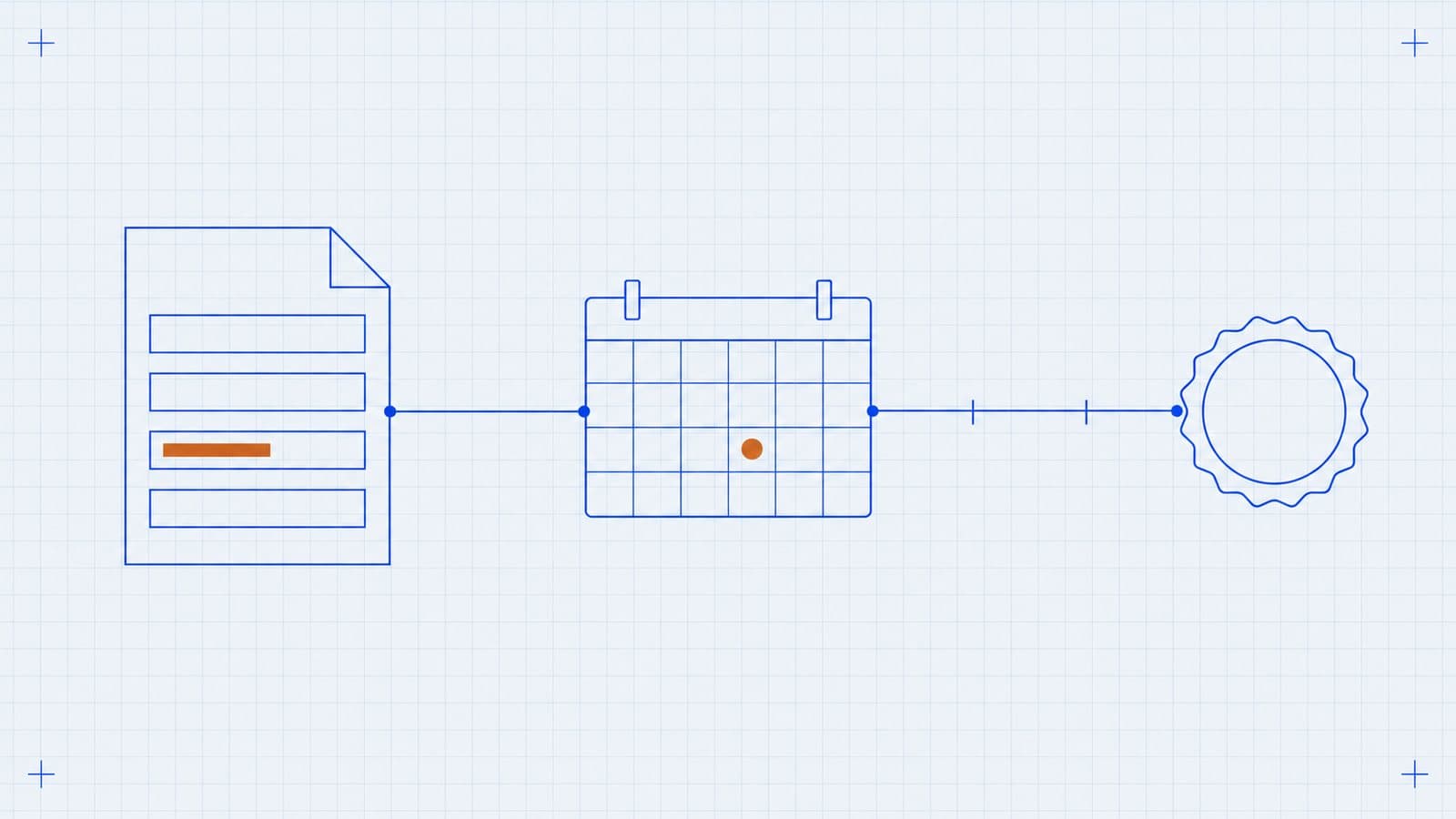
For most of Saudi Arabia's history of labour disputes, an unpaid salary went through the labour office and then, if it was not settled, to the labour court. That is no longer the only path. Under a joint initiative of the Ministry of Human Resources and Social Development and the Ministry of Justice, the wage clause in a documented Qiwa employment contract is an enforceable instrument. If wages are not paid, the employee can file for enforcement directly on Najiz. With the third phase now covering indefinite contracts, this applies to most permanent staff, which makes payroll accuracy and payroll timing a legal exposure, not just an HR courtesy.
What happened
The initiative, formally called "Documented Employment Contract as an Enforceable Instrument", was launched in October 2025 and rolled out on Qiwa in three phases:
- Phase one (October 2025): new contracts and updates to the terms of existing contracts.
- Phase two (March 2026): fixed-term contracts, moved to the enforceable model when they expire and are renewed or extended.
- Phase three (August 2026): indefinite contracts.
According to the ministry's guideline, a contract qualifies when it is documented on Qiwa using the unified contract template and carries an Execution Number issued through the Ministry of Justice's Documentation Center. The establishment submits the contract on Qiwa, the employee approves, rejects or proposes changes, and once both sides approve it becomes enforceable through the integration between the two ministries.
The enforceable part is the wage clause: basic salary, plus housing allowance, transport allowance and the total of other cash allowances where they apply. If the full wage is not paid, the employee can request enforcement 30 days after the due date. If it is only partly paid, they can do so 90 days after the due date. The request is filed on Najiz. Payment is verified electronically against the Wage Protection Program data on the Mudad platform, which records whether wages were paid on the due date and in the agreed amount. The employer is notified and has five days to object or settle.
Why it matters for operators
The rule itself is simple: pay the agreed wage on the agreed date. The risk is in the gap between what the contract says and what your systems actually do.
The first gap is the due date. Many companies pay "around the end of the month", or later when a public holiday or a cash-flow week gets in the way. Under this model, the due date written into the documented contract is the reference point, and Mudad records when payment actually landed. A payroll run that habitually slips by a few days now leaves a dated trail.
The second gap is the amount. Allowances in the documented contract are part of the enforceable clause. If your payroll system calculates housing or transport differently from the contract, perhaps because an allowance was changed by email and never updated on Qiwa, the Mudad record will show a partial payment against the contracted wage. Partial payment is exactly the case the 90-day rule covers.
The third gap is the paperwork itself. Every indefinite contract now needs to be on the unified template and documented. Companies with older contracts, informal amendments or many branches tend to find contracts where the Qiwa version, the signed paper version and the payroll record each say something slightly different.
What your HR and payroll systems should do
- Treat the Qiwa contract as the master record. Salary components and the payment date in payroll should come from, or be reconciled against, the documented contract, not a separate spreadsheet.
- Reconcile against Mudad every cycle. After each payroll run, compare what Mudad shows as paid with what each contract says is due, by component, and flag any shortfall immediately.
- Watch the clock. A late or partial payment should raise an alert well before the 30-day and 90-day marks, with an owner and a deadline, not after an enforcement notice arrives.
- Route Najiz notices fast. Five days is short. Someone must be responsible for checking Najiz, with access to the payroll evidence needed to object or settle.
- Version every change. When an allowance changes, the update should go to Qiwa for the employee's approval and into payroll on the same effective date.
Cicada Solutions view
This change is good for employees and, handled well, good for employers too: clear contracts and on-time pay remove a whole category of disputes. The companies at risk are not the ones that refuse to pay. They are the ones whose contract, payroll and bank records have drifted apart through years of small manual changes.
The fix is mostly data discipline rather than new software: one source of truth for each employee's contracted wage, an automatic reconciliation against Mudad after every run, and an alert that fires when a payment is late or short. If your HR system cannot do that today, it is worth closing the gap before the first enforcement request does it for you. Our HR compliance software work covers this kind of reconciliation, and the Nitaqat calculator shows why documented Qiwa contracts matter for Saudization too. None of this is legal advice; confirm your obligations with the ministry or a qualified adviser.
Sources
- MHRSD: Guideline for the initiative "Documented Employment Contract as an Enforceable Instrument" (PDF) - published 2025-10, accessed 2026-10-01.
- DLA Piper: Saudi Arabia introduces enforceable wage clause system - published 2025-12-01, accessed 2026-10-01.
- Envoy Global: Saudi Arabia Qiwa employment contract with Najiz authentication - published 2025-11-25, accessed 2026-10-01.