October 6, 2026
Saudi Arabia's new hospitality rules land on your booking system
Two deadlines matter here. Private holiday units have roughly until early December to move from a permit to a licence, and hotels and serviced apartments get new booking, pricing and refund rules from 1 July 2027.
Takeaway
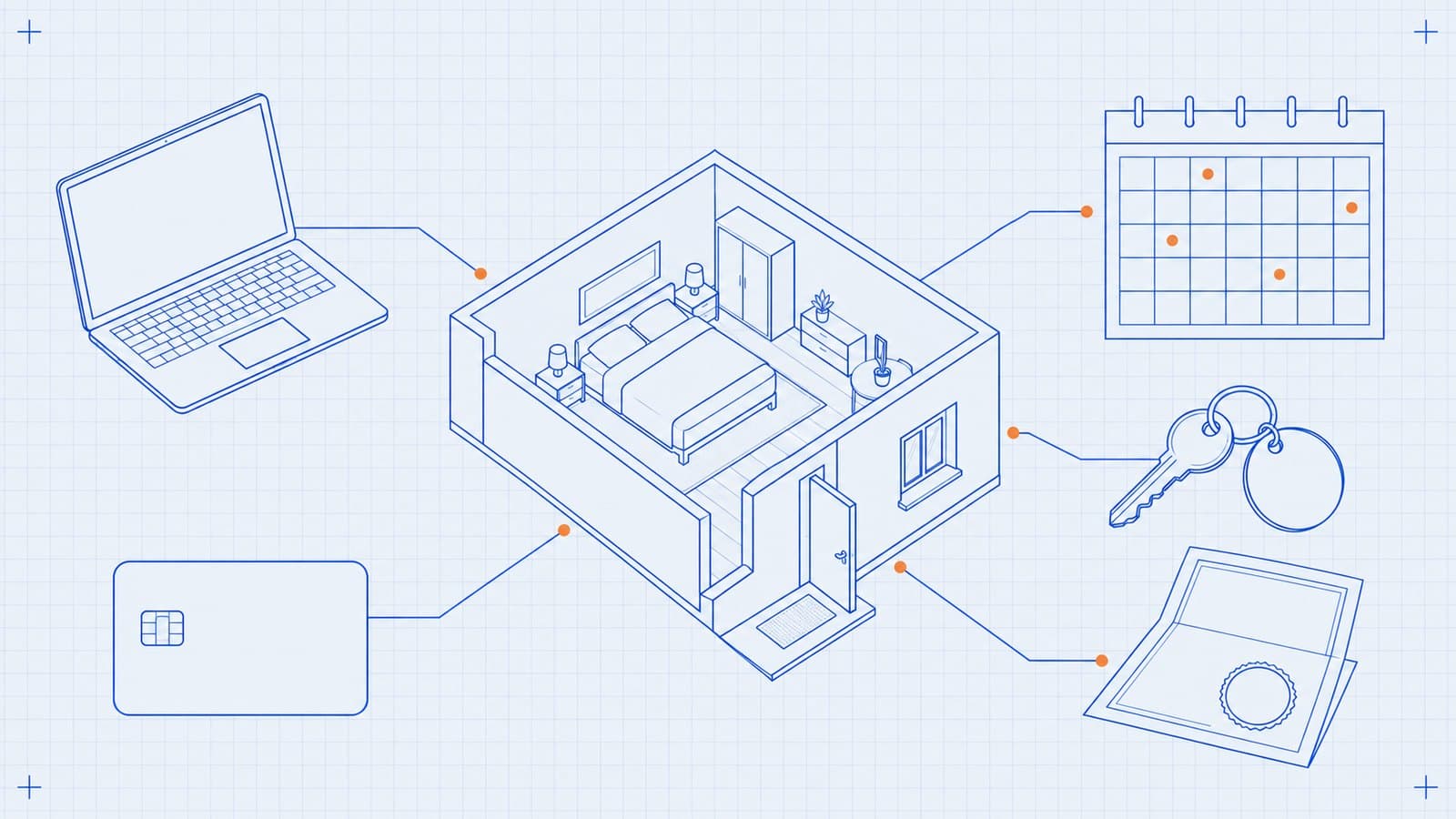
The Ministry of Tourism's updated rules turn private unit permits into licences within 90 days and tighten booking, pricing and refund rules for hotels from July 2027.
On 11 September the Ministry of Tourism published updates to four regulations: travel and tourism services, tour guiding, tourist hospitality facilities, and private hospitality units. Most coverage summarised them as a modernisation package, which is true but not very useful if you run a hotel, a block of serviced apartments or a few holiday homes. Read the texts in the Umm Al-Qura gazette and a lot of the detail turns out to be about bookings, prices, availability and refunds. In other words, about the systems you take reservations and money through.
What changed
Private hospitality units (decision 1448/753) cover paid tourist stays in privately owned homes and apartments. The new regulation takes effect from its publication and replaces the old permit with a licence. Existing permit holders must adjust within 90 days of the effective date. Counted from 11 September, that lands around 10 December 2026. Al-Weeam's report on the regulations says the deadline is earlier if your permit expires first, and that conversion is free through the ministry's portal. Among the operating rules in the gazette text:
- A licence lasts up to one year. The application fee is SAR 1,100, plus SAR 500 for each inspection visit after the first two.
- Bookings and payments may only go through licensed travel and tourism service providers, including approved electronic platforms. The owner may not take payment from guests directly.
- The owner must keep availability updated with those providers to prevent double bookings.
- A guest may stay no more than 29 consecutive days, and no more than 90 days in total in the same unit during the licence period.
- Listings and photos must match the actual unit, adverts must state its maximum capacity, and the unit needs an exterior sign with its licence details.
- Owners must register in Shomoos, keep their unit data up to date in the ministry's system, keep guests' personal data confidential, and report safety or security incidents immediately.
Tourist hospitality facilities (decision 1448/752) cover hotels, serviced apartments, holiday homes, inns, camps and similar. The amended regulation takes effect on 1 July 2027, and licensees then have 90 days to adjust. Press reports on the text describe:
- Licences of up to three years, renewable, with ministry approval needed before closing part or all of a facility, changing the number of units or beds, or transferring the licence.
- Registration in Shomoos and a direct connection to the ministry's approved tourism monitoring interfaces.
- Prices, payment terms and booking, cancellation, change and refund policies disclosed before booking, with booking documents in Arabic or English showing the full price including fees and taxes.
- Refunds within 30 days for paid services that were not delivered, and no charges to a guest's card after check-out and invoice closure.
- If no unit is ready two hours after check-in time, the guest can take an immediate refund or a comparable or better unit.
Why it matters for operators
For private unit owners the change is structural. If you let two or three apartments and collect payment by bank transfer after a WhatsApp chat, that model does not fit the new text. Payment has to run through a licensed provider, and your availability has to stay in sync with every channel you list on. Owners with a handful of units across two platforms and a direct-booking page are exactly the people who get double bookings today. Under the new rules a double booking is not just an awkward phone call.
For hotels and serviced apartments the 2027 date gives time, but the requirements reach into the booking engine, the property management system and the payment setup at once. Total price including fees and taxes at the point of booking, policies shown before payment, a 30-day refund clock, and a rule about what happens when a room is not ready two hours after check-in. Each of those is something your system should track rather than leave to the front desk's memory.
What to check in your systems
- One source of availability. Whether you use a channel manager or a custom system, every channel should read from the same inventory. Test what happens when two bookings for the same night arrive a minute apart.
- Licence data. Keep each unit's licence number, expiry date and maximum capacity in your system, and set a renewal reminder well before the one-year expiry.
- Stay length checks. For private units, block bookings over 29 consecutive nights and track cumulative nights per guest per unit against the 90-day limit.
- Full price at booking. Show the total including fees and VAT on the booking confirmation, in Arabic and English.
- Refund tracking. Log every refund with the date it was requested and the date it was paid, so you can show the 30-day rule was met.
- Check-in delays. Record actual room-ready times against check-in times. If you regularly miss by two hours, you will be offering refunds or upgrades.
- Guest data. Shomoos registration, guest IDs and contact details are personal data. Limit who can see and export them.
Cicada Solutions view
These rules are good for guests and, in the long run, for serious operators. They push the sector toward the habits well-run hotels already have: one inventory, clear prices, recorded refunds. The cost falls hardest on small private unit owners and on venues that grew on spreadsheets and messaging apps.
If you hold private unit permits, start now. Check your permit expiry dates, move the conversion through the ministry portal, and confirm that every platform you list on is a licensed provider. If you run a hotel or serviced apartments, use the time before July 2027 to write down how your booking, pricing and refund flows work today, and compare them with the regulation. Read the gazette text yourself or with an adviser; this article is a summary, not legal advice. Questions can also go to the ministry's Unified Tourism Center on 930.
If your booking system cannot hold licence data, enforce stay limits or keep availability in step across channels, we build booking systems and hospitality software for exactly this kind of operation.
Sources
- Umm Al-Qura: Approval of the Private Hospitality Unit Regulation, decision 1448/753 (Arabic) - published 2026-09-11, accessed 2026-10-09.
- Umm Al-Qura: Private Hospitality Unit Regulation (Arabic) - published 2026-09-11, accessed 2026-10-09.
- Umm Al-Qura: Approval of the amendment to the Tourist Hospitality Facility Regulation, decision 1448/752 (Arabic) - published 2026-09-11, accessed 2026-10-09.
- Okaz: Ministry of Tourism updates four regulations (Arabic) - published 2026-09-11, accessed 2026-10-09.
- Al-Weeam: The two hospitality regulations, 30 days for refunds and 29 consecutive days for private units (Arabic) - published 2026-09-11, accessed 2026-10-09.
- GCC Business News: Saudi updates 4 tourism regulations to modernise sector - published 2026-09-11, accessed 2026-10-09.