ZATCA's fines exemption ends on 31 December. Your Q3 VAT return is not covered.
There are 82 days left to clear late returns without penalties. The catch is that the amnesty only looks backwards, so the return due on 31 October is judged on today's invoice data, with no safety net.
Takeaway
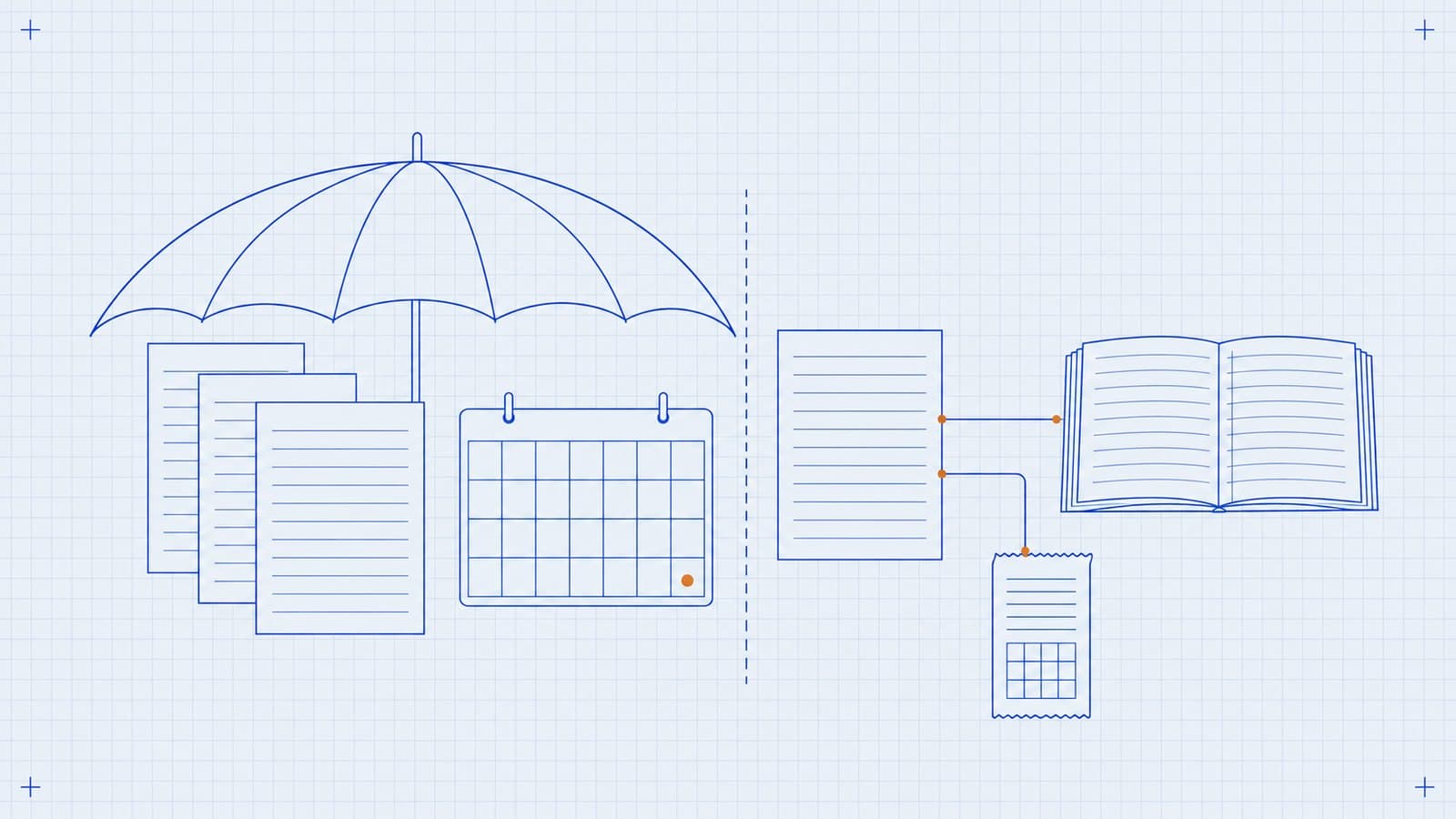
ZATCA's initiative waiving late filing, late payment and VAT correction fines runs until 31 December 2026, but only for returns that were due by 30 June. Anything filed now has to be right on its own.
Today is the last day to file and pay withholding tax for September, and on 31 October the monthly VAT return for September and the quarterly return for the third quarter fall due. Those are routine dates. What makes this quarter different is the one after it: ZATCA's initiative that waives late filing, late payment and VAT correction fines ends on 31 December 2026. Businesses with an old backlog have about twelve weeks to clear it without penalties. Businesses filing on time have a quieter but more important point to absorb. The exemption does not cover any return that became due after 30 June 2026, so every return you file from now on has to stand on its own data.
What happened
On 29 June 2026, ZATCA announced the Minister of Finance's decision to extend the "Cancellation of Fines and Exemption of Financial Penalties Initiative" for six more months from 1 July. According to ZATCA's announcement:
- What it waives: fines for late registration under all tax laws, late payment, late filing of returns, and fines for correcting VAT returns.
- Conditions: the taxpayer must be registered with ZATCA, file every outstanding return, and pay the full principal tax owed on those returns. Taxpayers can ask for an instalment plan, as long as they apply while the initiative is still running and pay every instalment on its due date.
- What it excludes: fines for tax evasion, fines under Article 45 of the VAT Law, fines already paid before the initiative took effect, and fines linked to any return that became due after 30 June 2026.
- The end date: 31 December 2026. ZATCA added that if the initiative is ever extended again, the extension will not cover returns due after 30 June 2026 either.
Separately, ZATCA used its X account to publish October's filing dates: 10 October for September's withholding tax, and 31 October for both September's monthly VAT return and the third quarter's quarterly return.
Why it matters for operators
The amnesty has quietly worked as a safety net for the last few years. A late return or a correction to a past VAT return could usually be cleaned up without a fine, as long as the principal tax was paid. That net now has a hard edge. A VAT return is due at the end of the month after its period, so in practice the last returns the initiative can still help with are monthly returns up to May 2026 and quarterly returns up to the first quarter of 2026. The second-quarter return filed in July and the third-quarter return due on 31 October are outside it. If the Q3 figures are wrong and you correct them next year, the correction is assessed under the normal rules.
That moves the risk from the finance team's calendar to the invoice data underneath it. A VAT return is a summary of every sale and purchase in the period. When those sales come from a POS in each branch, a delivery platform statement, B2B invoices typed into a separate template and a set of manual credit notes, the return is only as accurate as the reconciliation someone does at month end. The common errors are familiar: a branch whose invoices never reached the accounting system, a credit note issued on paper but not in the system, a delivery platform's commission booked against gross sales, or invoices reported to ZATCA's Fatoora platform that do not match what was posted to the ledger.
E-invoicing makes those gaps more visible, not less. Businesses in the Integration Phase report or clear every invoice with ZATCA as it is issued, which means ZATCA can see invoice-level data for the same period your return summarises. If the invoices say one thing and the return says another, it shows.
Where good software helps
The fix is not a better spreadsheet in the last week of the month. It is making the invoice record the single source the return is built from:
- One invoice record per sale. The POS, the B2B invoicing screen and any delivery integration write to the same invoice store, so there is no second copy to drift.
- Fatoora status on every invoice. Each invoice shows whether it was cleared, reported, warned or rejected, with ZATCA's reason, so a rejection is fixed in the same week rather than discovered at filing time.
- Credit notes in the system, not on paper. Returns and adjustments issued as proper credit notes linked to the original invoice.
- A period report that ties out. Sales, VAT and credit notes per period, broken down by branch and by standard versus simplified invoices, matching what was sent to ZATCA.
- A clean handover to accounting. Posted automatically, not re-keyed.
This is the work our ZATCA integration does. Cicada Solutions connects the POS and ERP systems a business already runs to Fatoora: invoices generated in ZATCA's format with the cryptographic stamp and QR code, standard invoices cleared before they reach the buyer, simplified invoices reported within 24 hours, offline sales queued and reported when the connection returns, and a status view for finance. Every invoice, stamp and ZATCA response is stored against the original sale, which is what makes the period figures easy to check before they go into a return.
Cicada Solutions view
If you have unfiled or unpaid returns from before July 2026, the decision is simple and time-bound: file them and pay or schedule the principal tax before 31 December, and speak to your tax adviser about whether an instalment plan makes sense. That window will not reopen for those returns.
For everyone else, use the October return as a test. Before you file on 31 October, compare the quarter's VAT figures with what your systems reported or cleared through Fatoora, branch by branch. If that comparison takes more than a morning, or if nobody can say which system the numbers came from, the problem is not the return. It is the invoice flow behind it, and it is worth fixing before the next quarter rather than after a correction notice. None of this is tax advice; confirm your position with ZATCA or a qualified tax adviser.
If you want us to look at how your invoices reach ZATCA today, start with our ZATCA Phase 2 integration page, or our POS and invoicing software work if the till itself is the weak point.
Sources
- ZATCA: Minister of Finance's decision to extend the Exemption of Fines Initiative - published 2026-06-29, accessed 2026-10-12.
- Ajel English: ZATCA announces October tax filing deadlines - accessed 2026-10-12.
- ZATCA: What are the requirements for Phase 2? - accessed 2026-10-12.